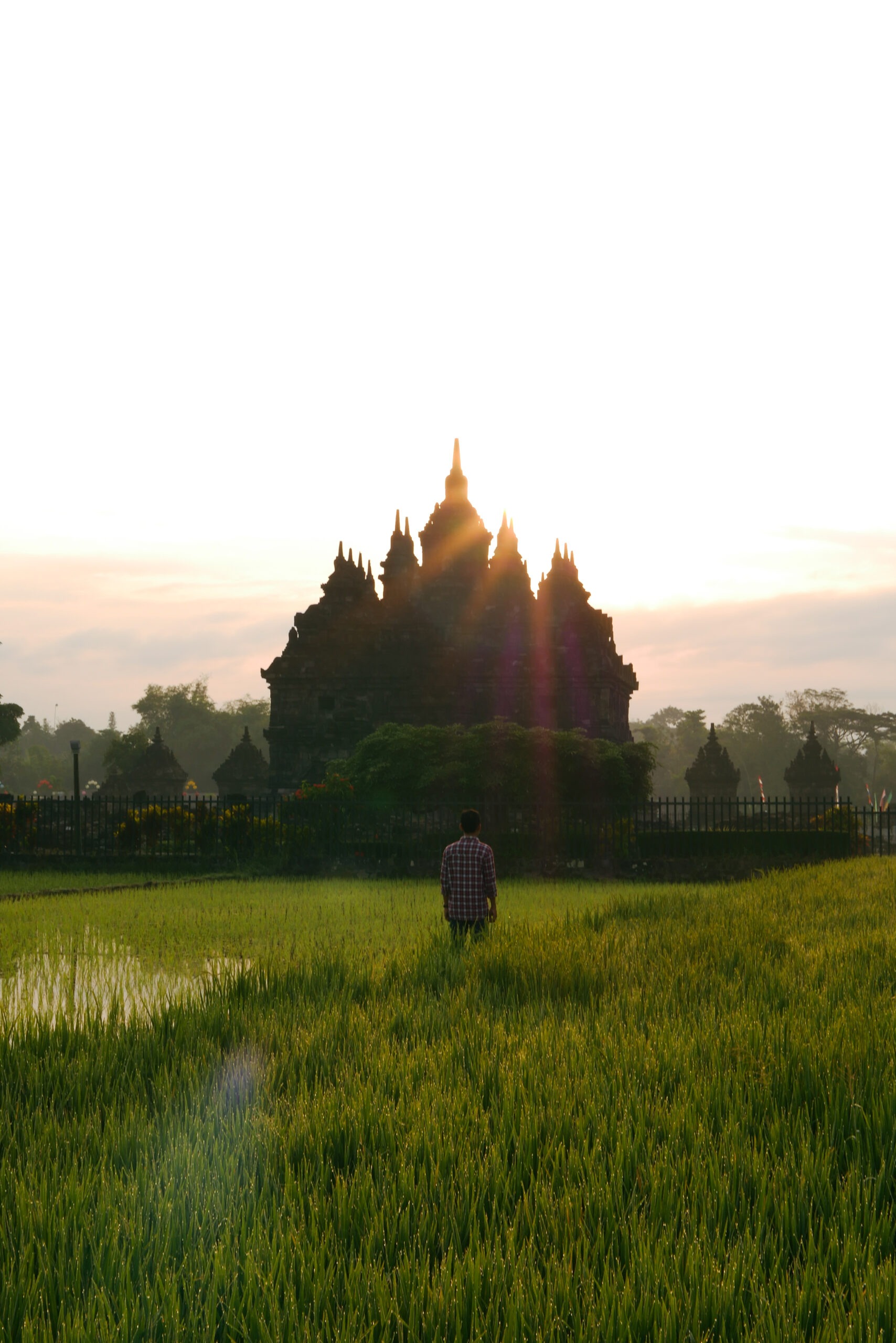
Nestled in the serene village of Bugisan, just a short distance from the iconic Prambanan Temple lies one of Central Java’s lesser-known treasures: Candi Plaosan, also known as the Plaosan Complex. This ancient Buddhist temple complex offers a peaceful retreat from the bustling tourist crowds, allowing visitors to immerse themselves in the rich history and tranquil beauty of the area.
Candi Plaosan was built in the 9th century during the reign of the Medang Kingdom under the guidance of King Rakai Pikatan of the Sanjaya Dynasty. The temple complex is believed to have been commissioned by the King’s consort, Queen Sri Kahulunan, a devotee of Mahayana Buddhism. This royal connection to both Hinduism and Buddhism makes Candi Plaosan a symbol of religious harmony, a legacy that continues to inspire awe to this day.
The Plaosan Complex is divided into two main areas: Plaosan Lor (North Plaosan) and Plaosan Kidul (South Plaosan). A road separates the two sections, but their architectural and artistic similarities tie them together in a harmonious blend of form and function.
Plaosan Lor (North Plaosan) is the more prominent of the two, featuring two large main temples that stand majestically side by side. These temples are adorned with intricate reliefs and sculptures, depicting scenes from Buddhist teachings as well as everyday life during the Medang era. Surrounding the main temples are numerous smaller stupas and perwara temples, which add to the sacred atmosphere of the site.
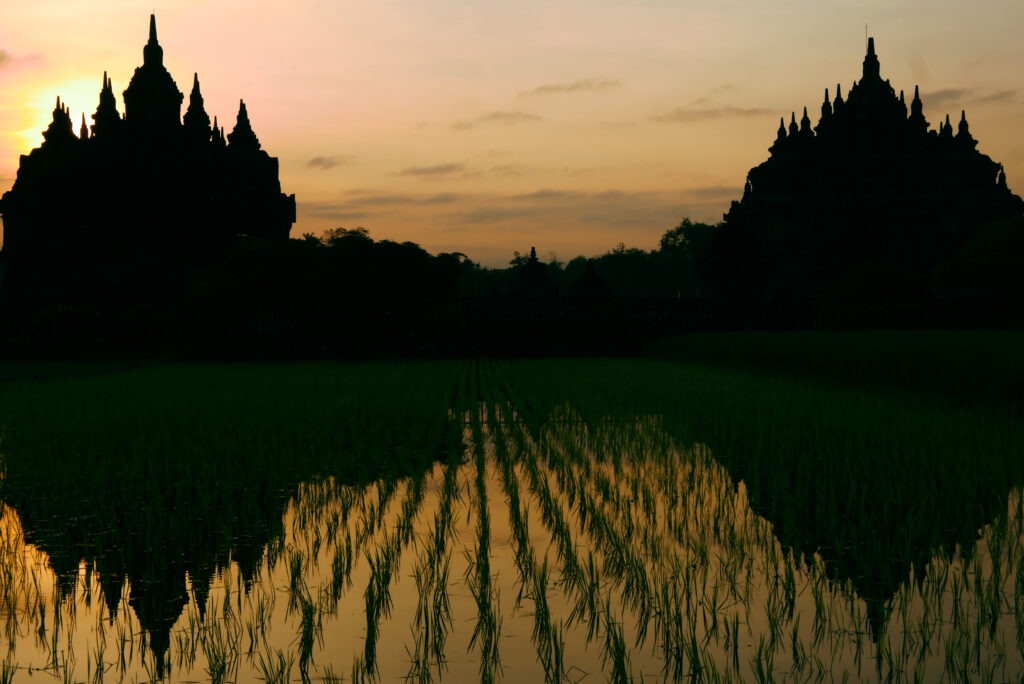
Plaosan Kidul (South Plaosan), while smaller in scale, is aqually captivating with its array of stupas and smaller temples. It is less frequented by visitors, making it an ideal sport for quiet contemplation.
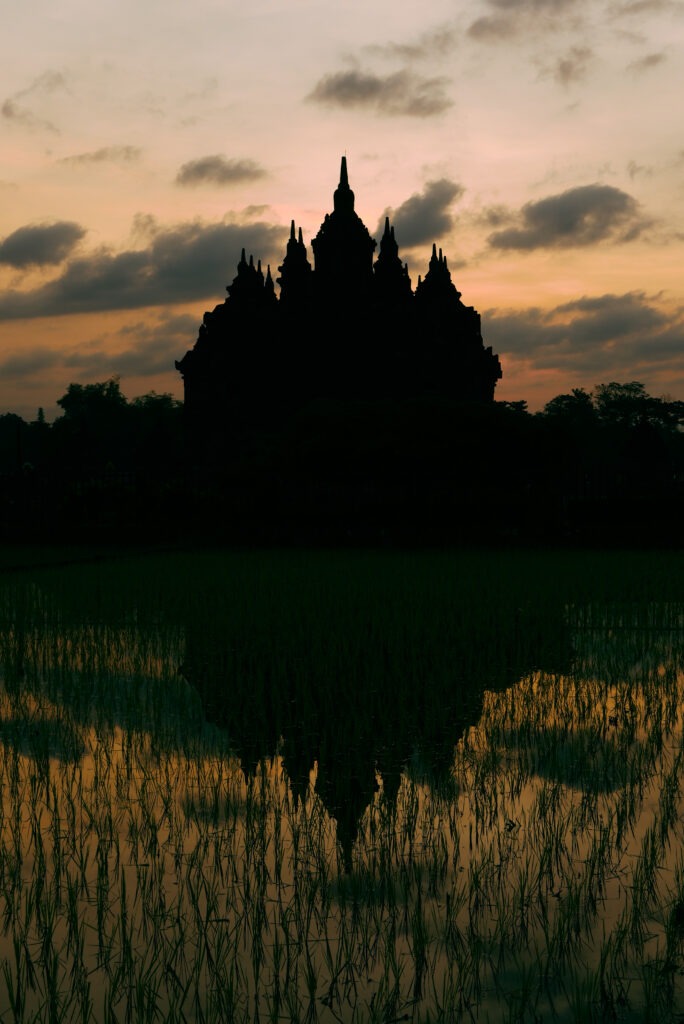
One of the most remarkable aspects of Candi Plaosan is its architectural design. The temples showcase a unique blend of Hindu and Buddhist styles, reflecting the cultural exchange during the temple’s construction. The base of the temples is adorned with finely carved reliefs of bodhisattvas and other religious figures, while the upper sections feature a series of niches housing statues of Buddha.
The main temples of Plaosan Lor are particularly noteworthy for their twin structure, a rarity in ancient temple architecture. This duality represents the union of male and female energies, symbolizing harmony and balance. The intricacy of the carvings, combined with the imposing structure of the temples, makes Candi Plaosan a stunning example of ancient Javanese artistry.
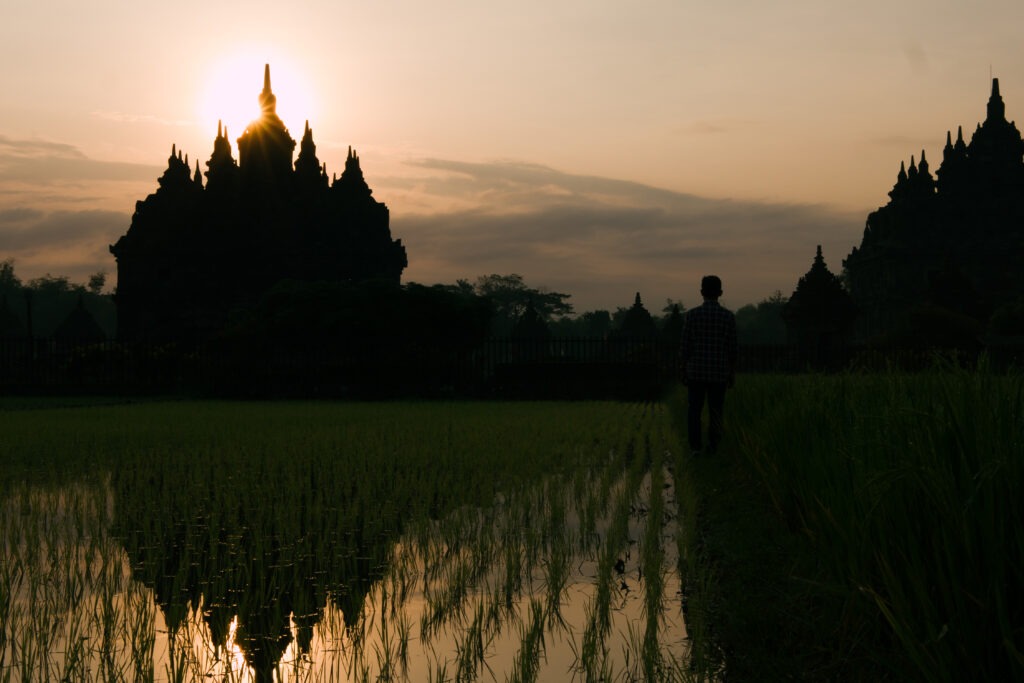
Visiting Candi Plaosan is a calming experience, as the site is far less crowded than its more famous neighbor, Prambanan. The tranquility of the surroundings, coupled with the spiritual significance of the temples, created a serene atmosphere that invites introspection and relaxation.
Walking through the complex, you can almost feel the presence of the ancient devotees who once worshipped here. The quiet, open spaces are perfect for meditation or simply taking in the beauty of the temple’s intricate details.
How To Get There?
Candi Plaosan is located about 1 kilometer (0.6 miles) northeast of Prambanan Temple, making it an easy addition to your itinerary if you’re already visiting the area. The site is accessible by car, motorbike, or even bicycle from Yogyakarta, which is just a 30-minute drive away.
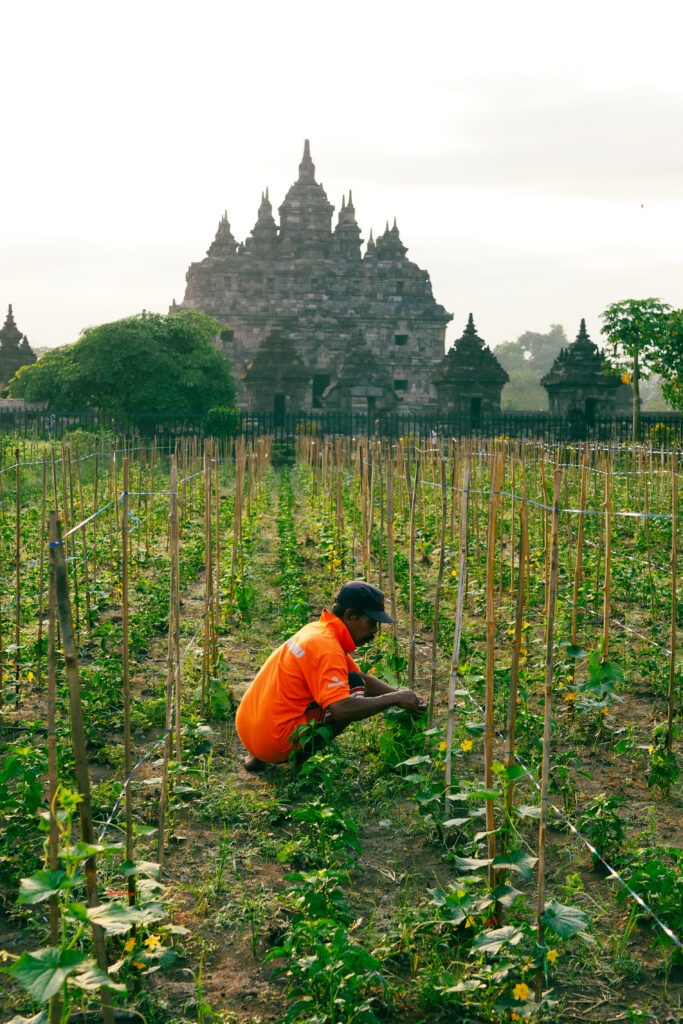
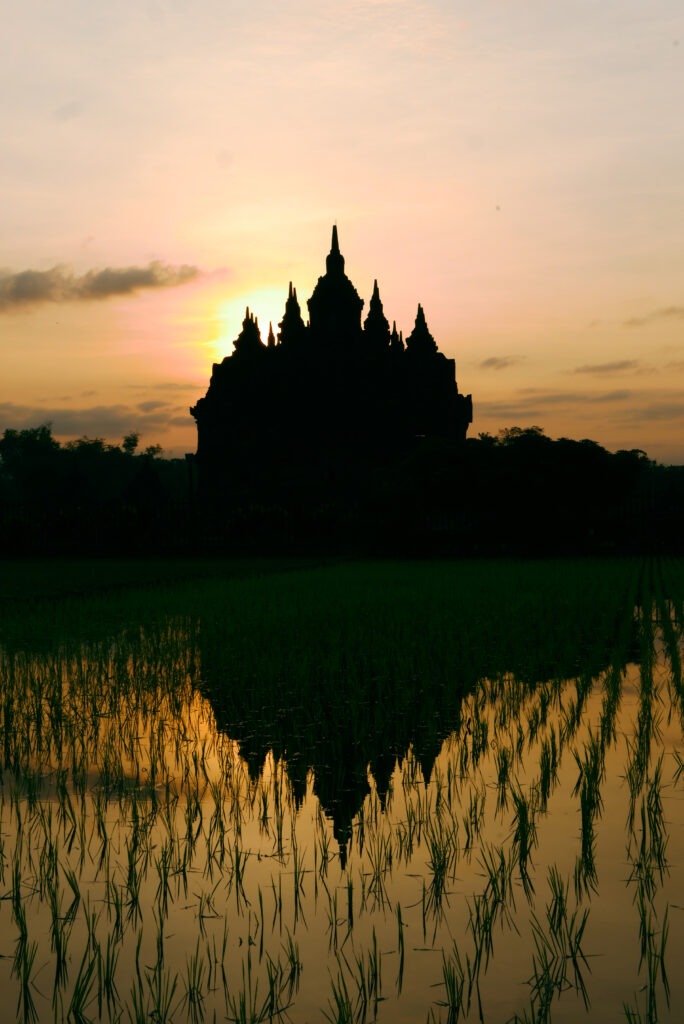
If you’re looking to explore beyond the well-trodden paths of Central Java, Candi Plaosan is a must-visit. This hidden gem offers a unique blend of history, art, and spirituality that will leave you feeling inspired and rejuvenated. Whether you’re a history buff, an architecture enthusiast, or simply seeking a peaceful escape, the Plaosan Complex is sure to enchant you with its timeless beauty.
Travel to Infinity!
For a little more virtual travel inspiration, follow us on Instagram @redhaandikaahdi

Be First to Comment