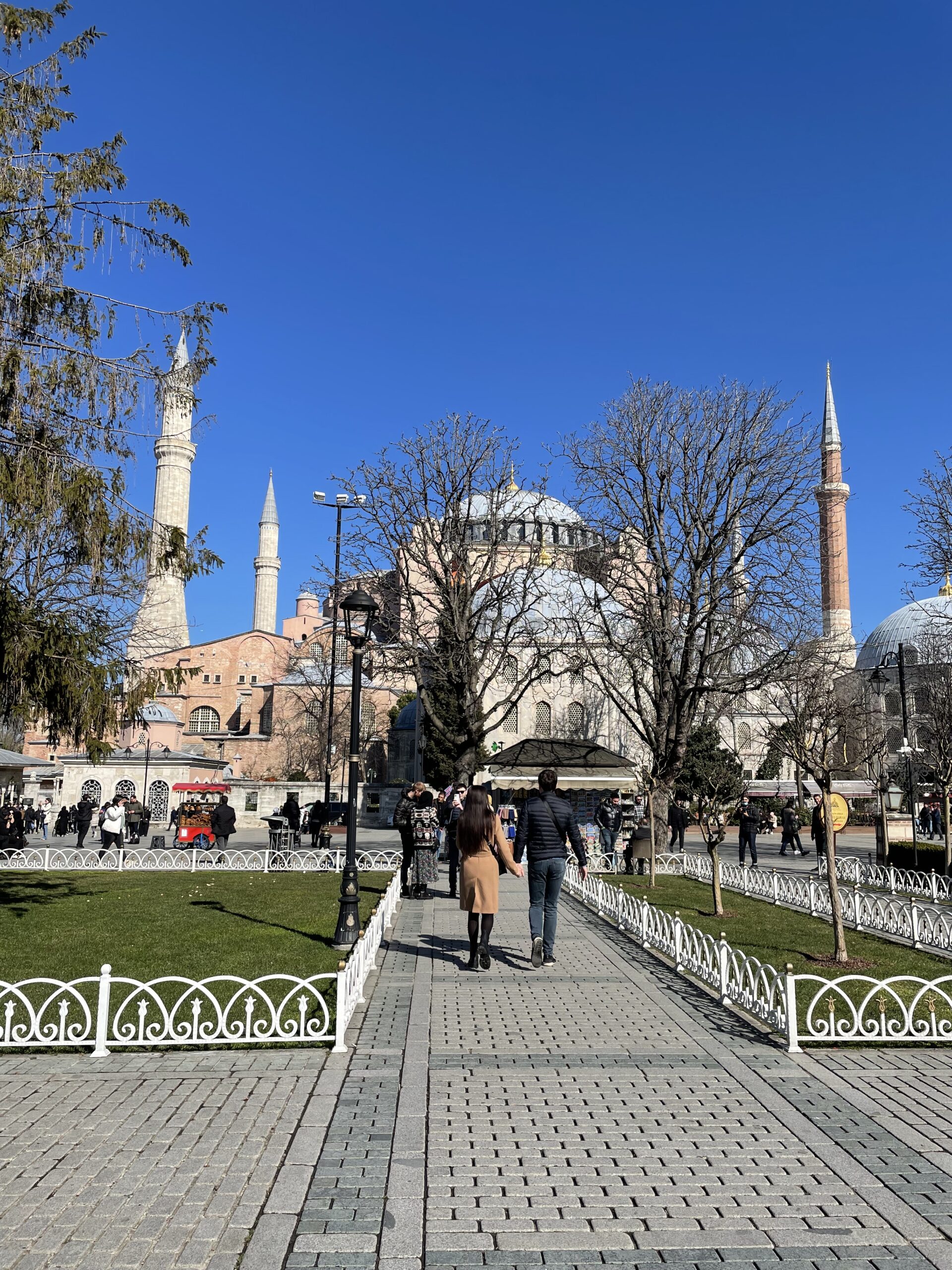
Traveling to new and exotic destinations is a pursuit many of us cherish. One particular journey that left an indelible mark on my travel experiences was our first visit to Hagia Sophia in Istanbul. This ancient architectural marvel, bearing witness to centuries of history, left me in awe and deep contemplation.
In this article, we’ll share the details of our visit to Hagia Sophia and how it was a profound and enriching experience.
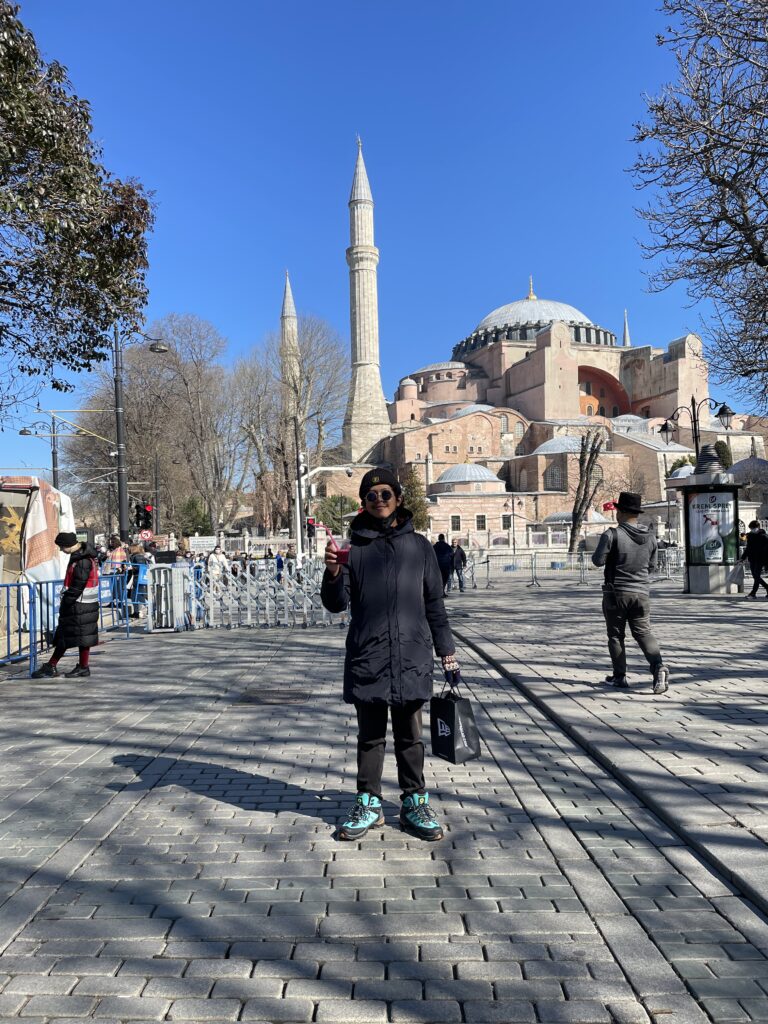
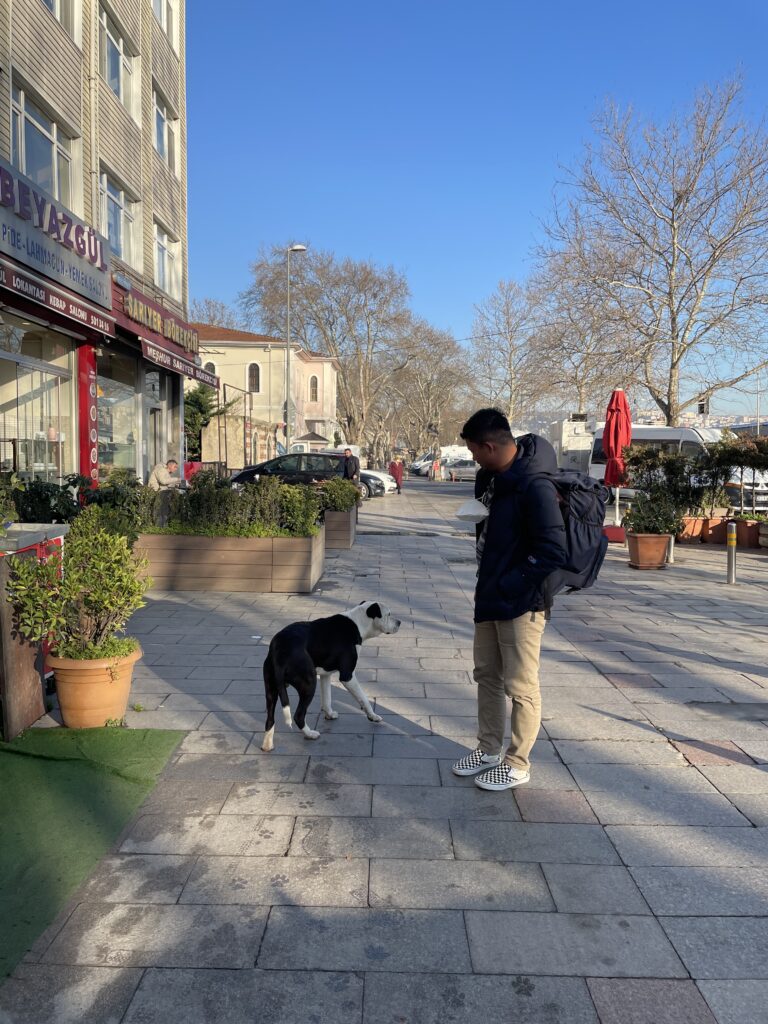
Istanbul, the vibrant and bustling city where Europe meets Asia, is a captivating blend of cultures and histories. Our journey to Hagia Sophia began with the city itself, with its rich tapestry of colors, sounds, and aromas.
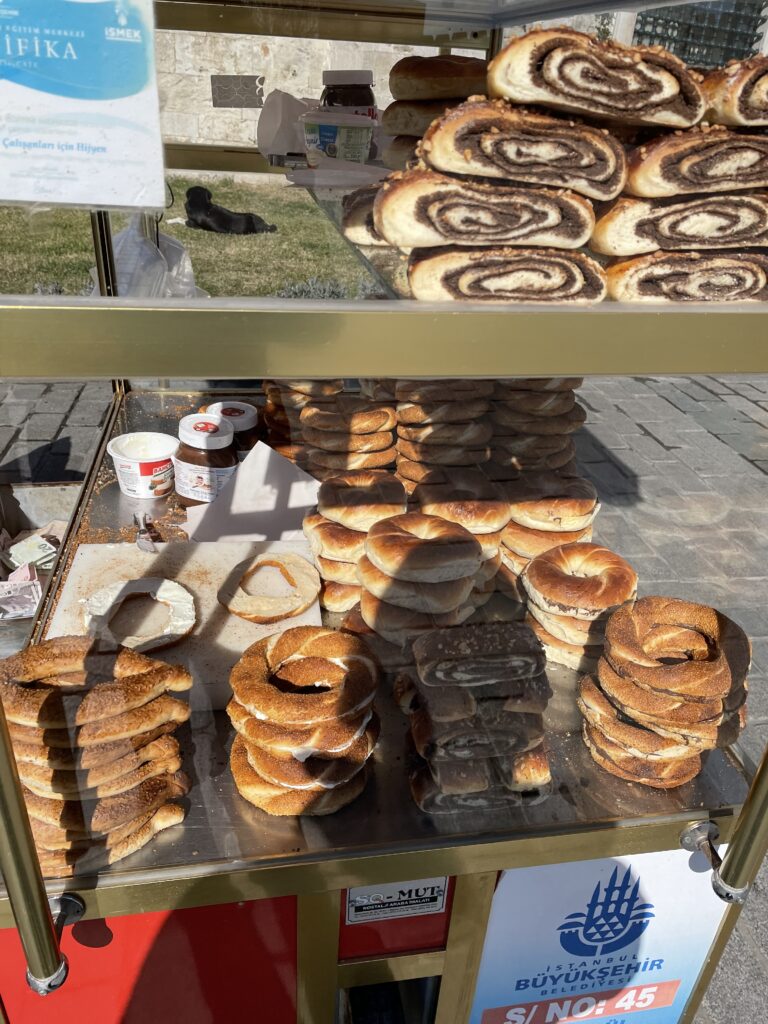
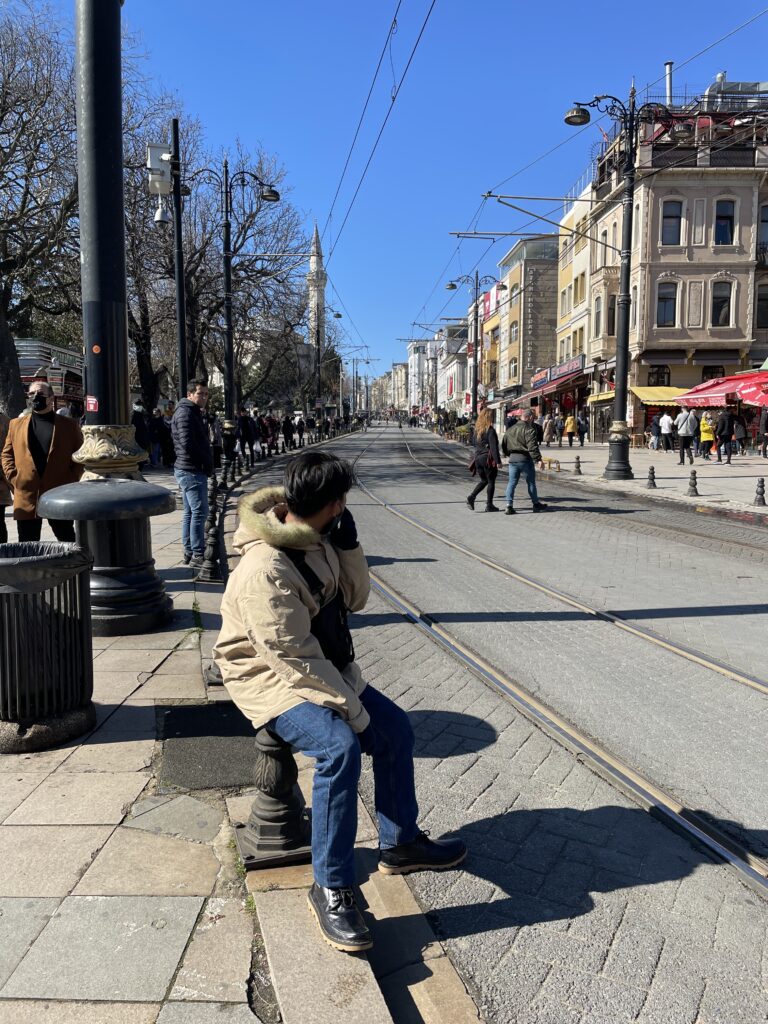
Wandering through the cobblestone streets and savoring Turkish delights was an adventure in itself. The city’s bustling atmosphere, with calls to prayer echoing in the background, set the perfect stage for my exploration.
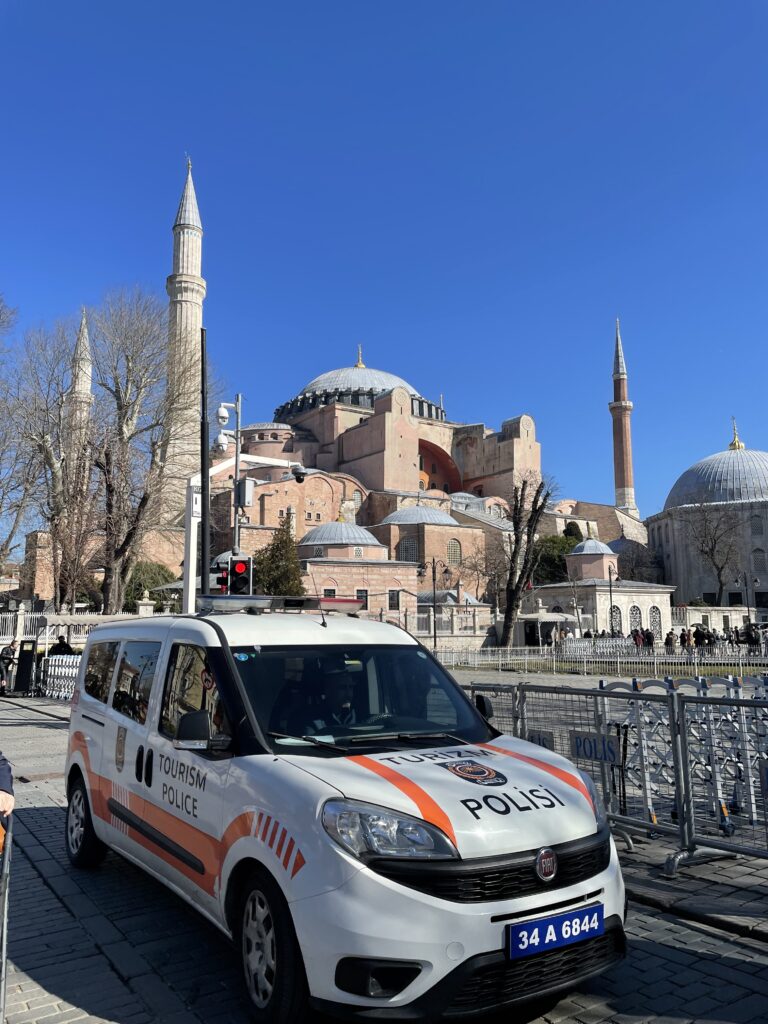
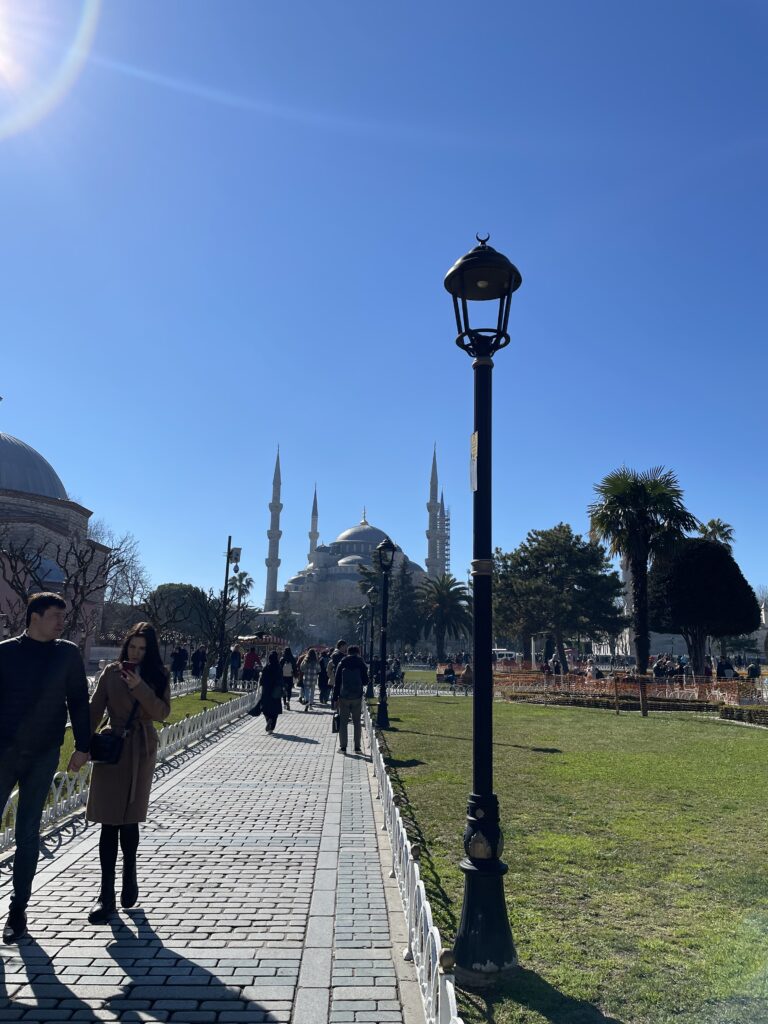
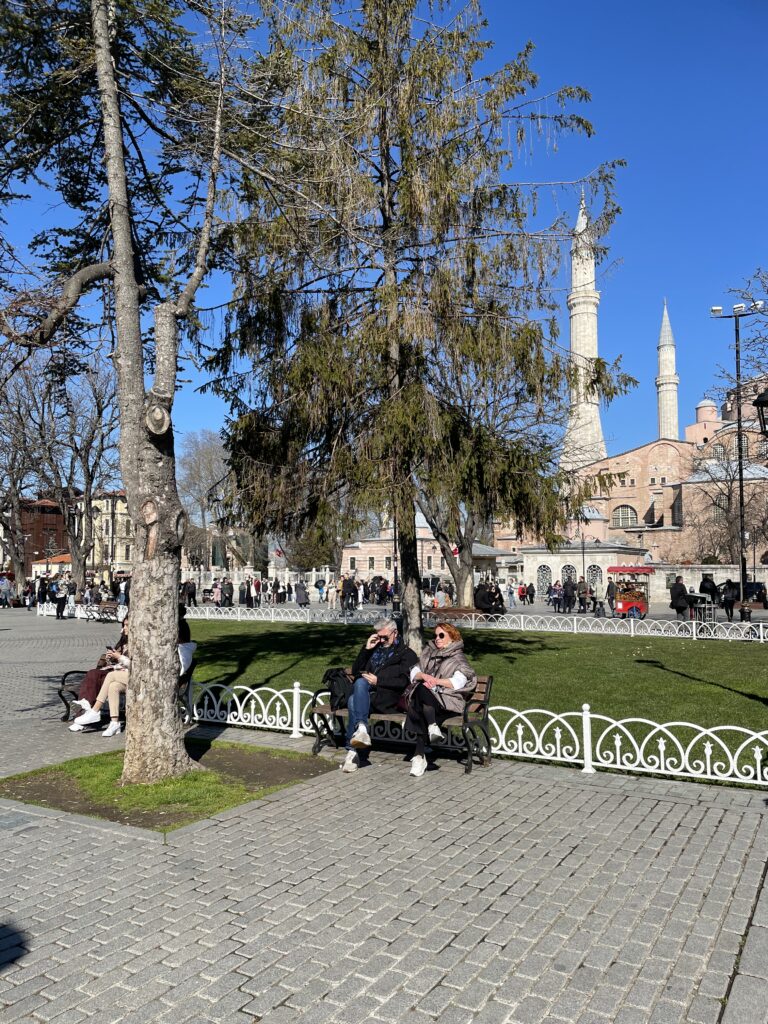
As we approached Hagia Sophia, its grandeur was immediately apparent. The magnificent architecture, with its towering dome and intricate details, stood as a testament to human creativity and ingenuity. This iconic structure has witnessed countless chapters of history, transforming from a cathedral to a mosque and eventually to a museum.
Entering Hagia Sophia, we were met with an interior that was nothing short of breathtaking. The massive dome, adorned with impressive chandeliers, dominated the space. The walls and ceilings were adorned with beautiful paintings and mosaics that seemed to whisper tales of emperors, sultans, and religious devotion. Each corner of this incredible building was a treasure trove of art and history.
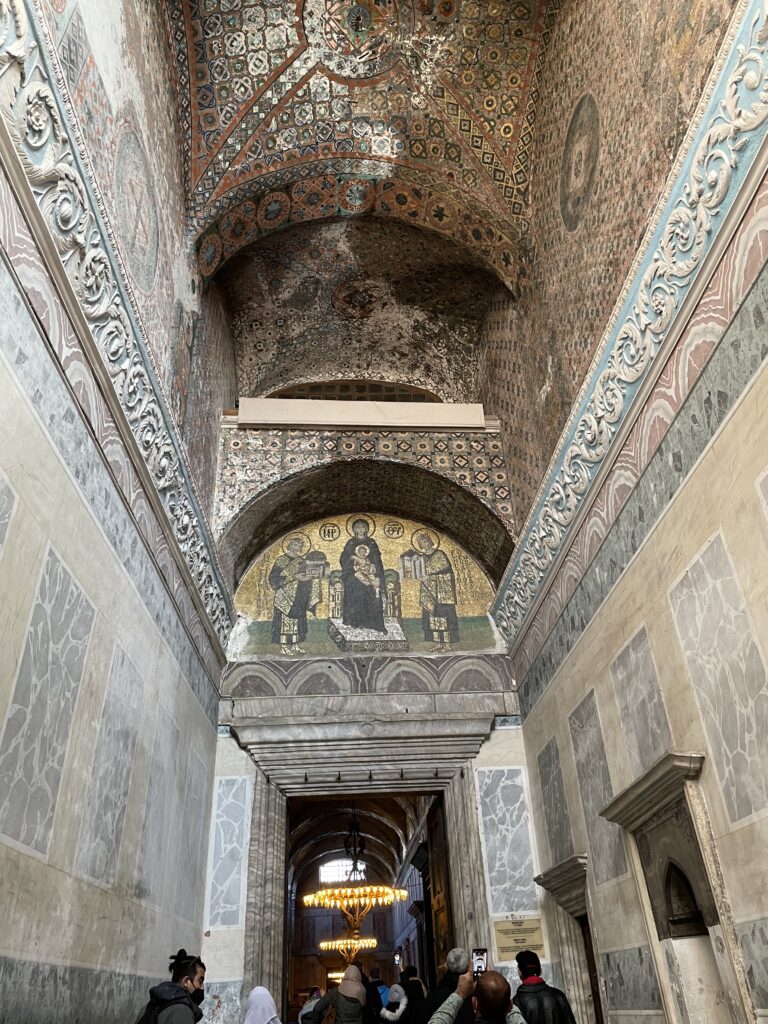
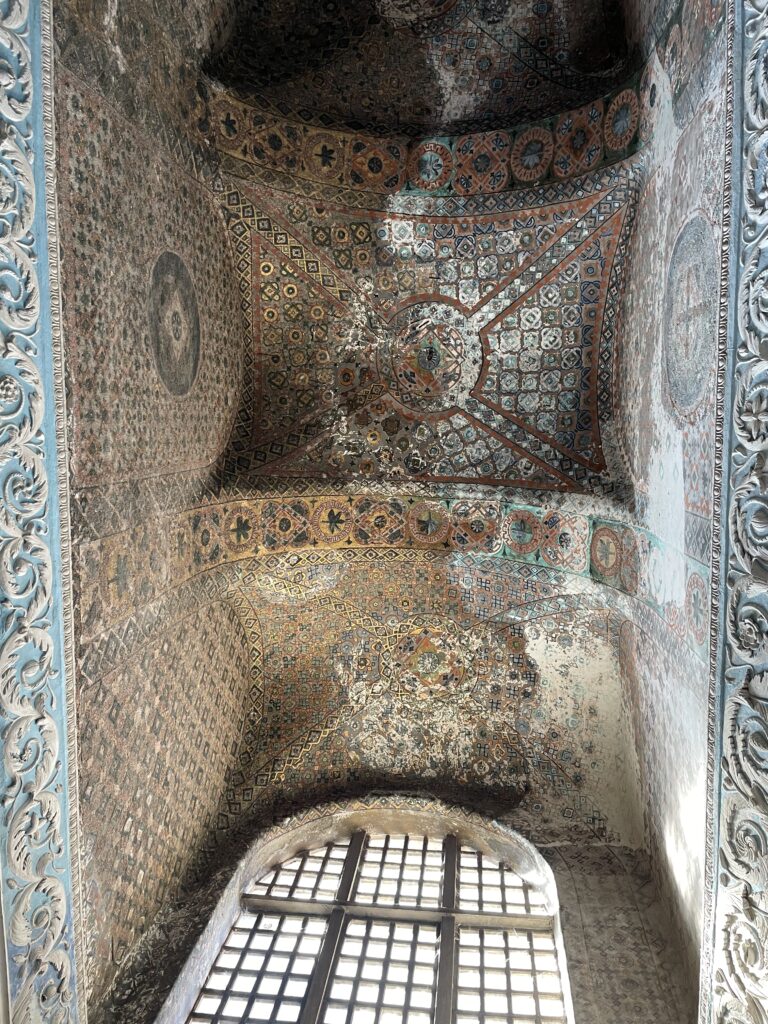
We took time to explore every nook and cranny of Hagia Sophia, absorbing the rich history that surrounded it. The transition from Byzantine Christianity to Ottoman Islam was palpable, as the building’s architecture and decor told the story of Istanbul’s diverse heritage.
We marveled at the coexistence of these two worlds within the same walls.
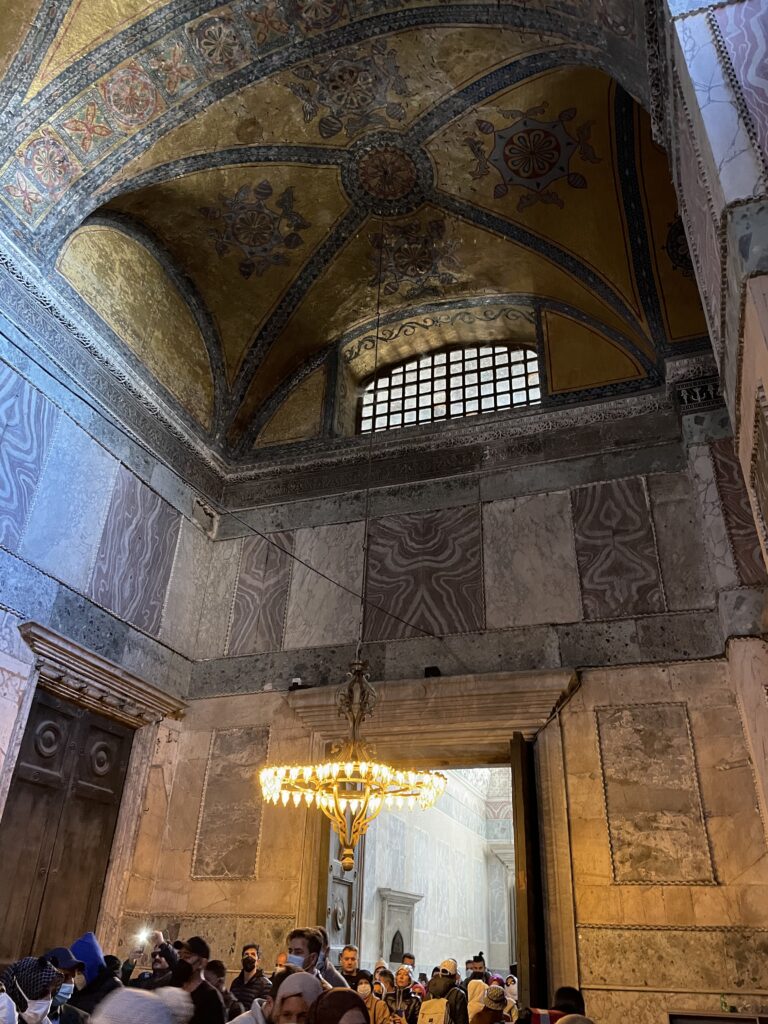
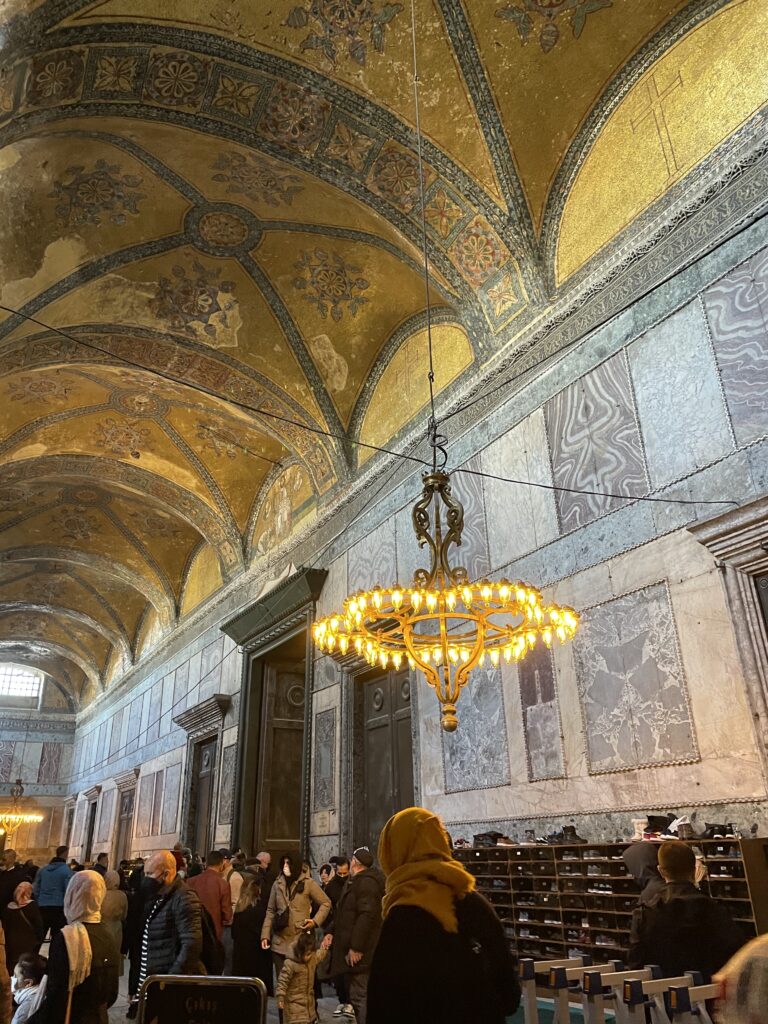
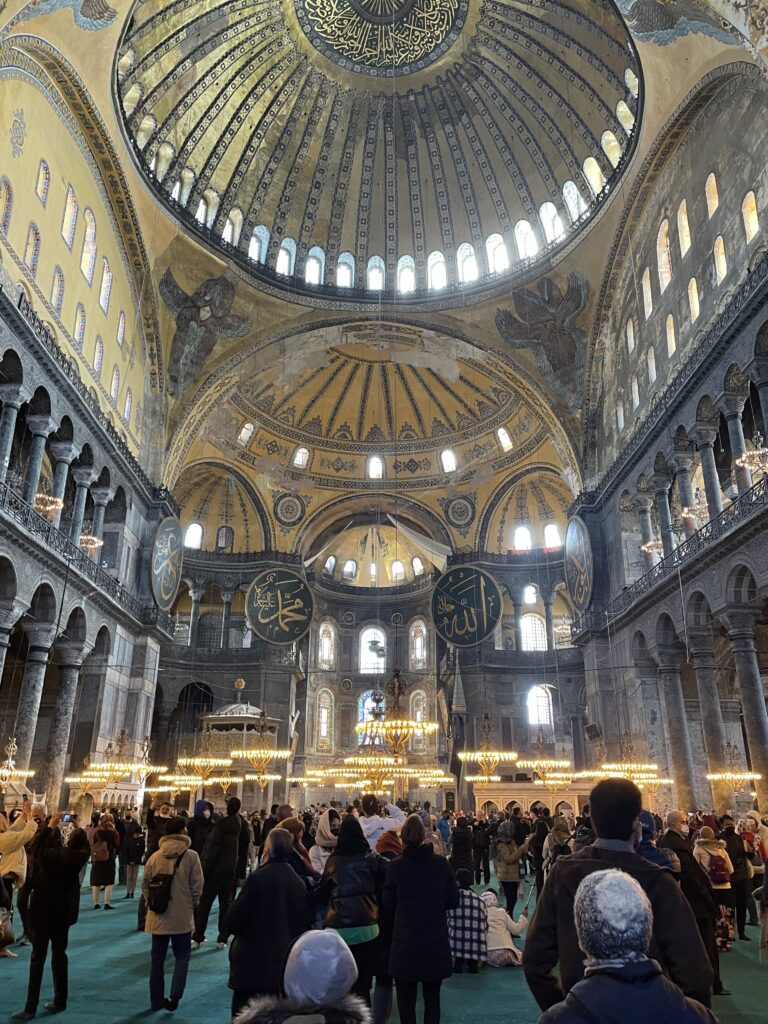
One of the most striking aspects of my visit was the sense of peace and contemplation we felt while sitting in the central area of Hagia Sophia. The combination of history, art, and spirituality came together to create a unique ambiance that encouraged self-reflection.
It was a moment to pause and ponder the shared human experiences that transcended time and place.
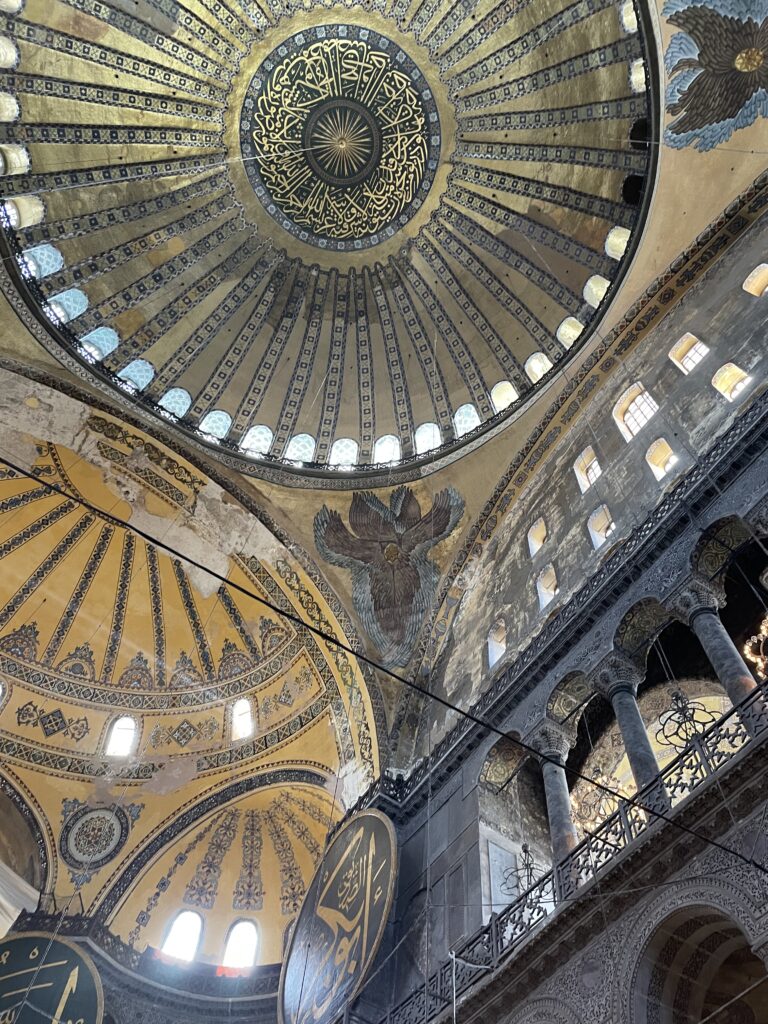
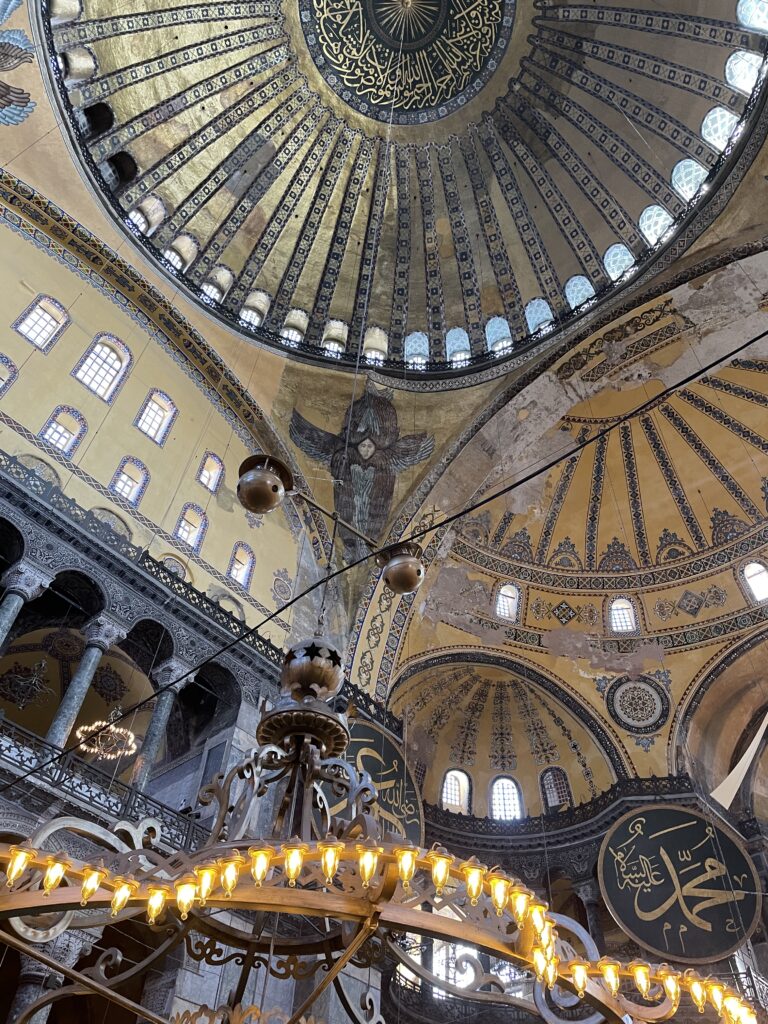
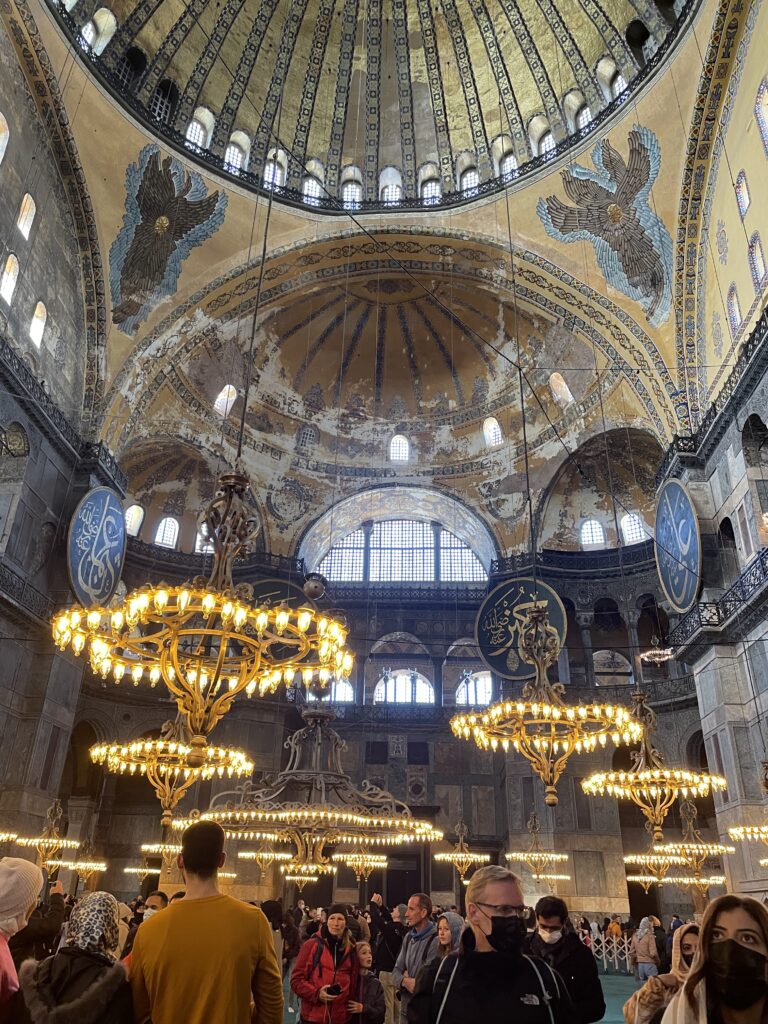
Hagia Sophia, which means “Holy Wisdom” in Greek, was built in the heart of Constantinople (modern-day Istanbul) during the reign of Emperor Justinian I in the 6th century. Completed in 537 AD, it was intended to be a grand cathedral for the Eastern Orthodox Church, serving as the patriarchal cathedral of Constantinople.
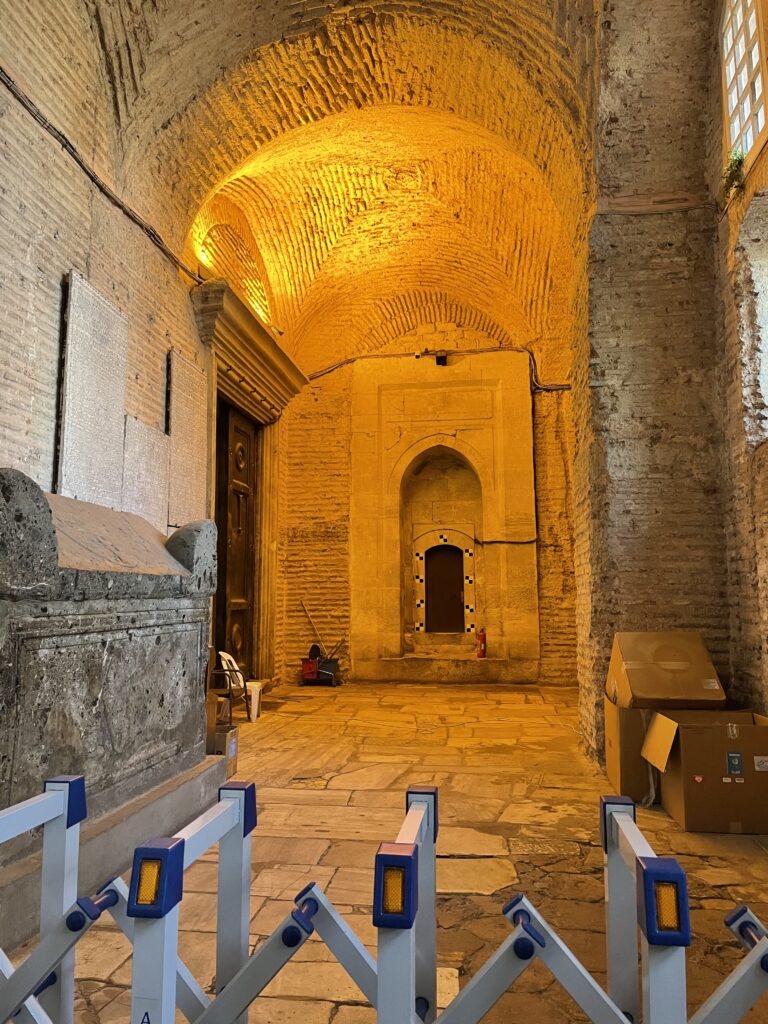
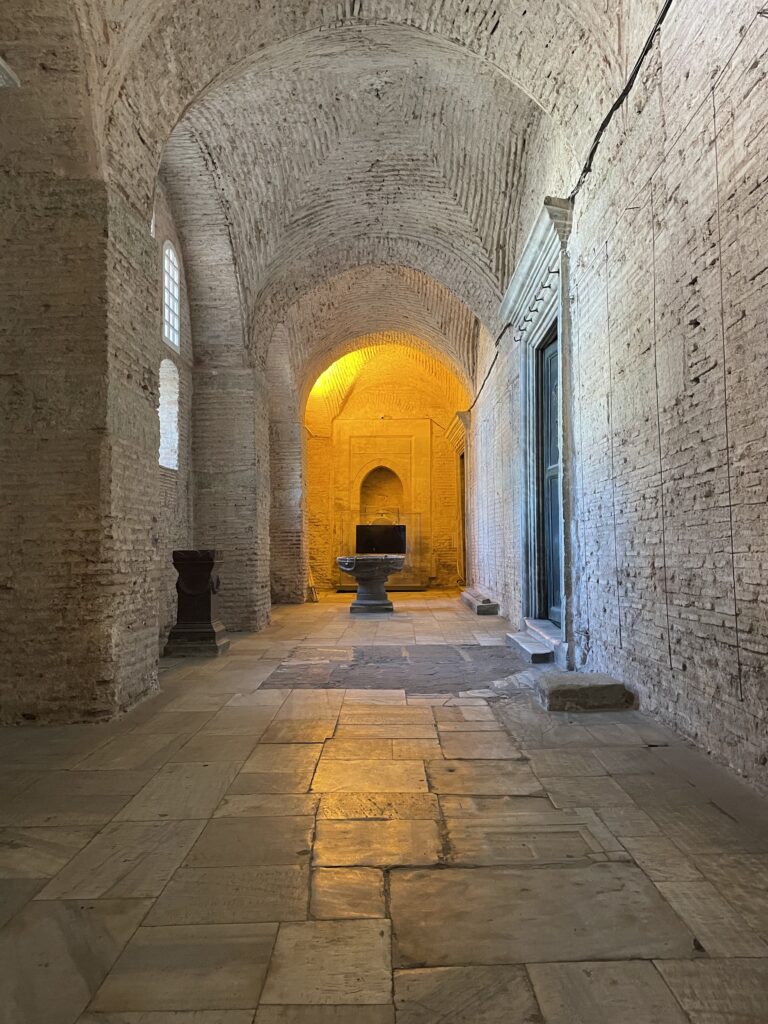
For nearly 1,000 years, Hagia Sophia stood as the grandest and most important church in Christendom. It became a symbol of Byzantine architectural and religious achievement. The building’s massive dome was an engineering marvel of its time, and its interior was adorned with breathtaking mosaics.
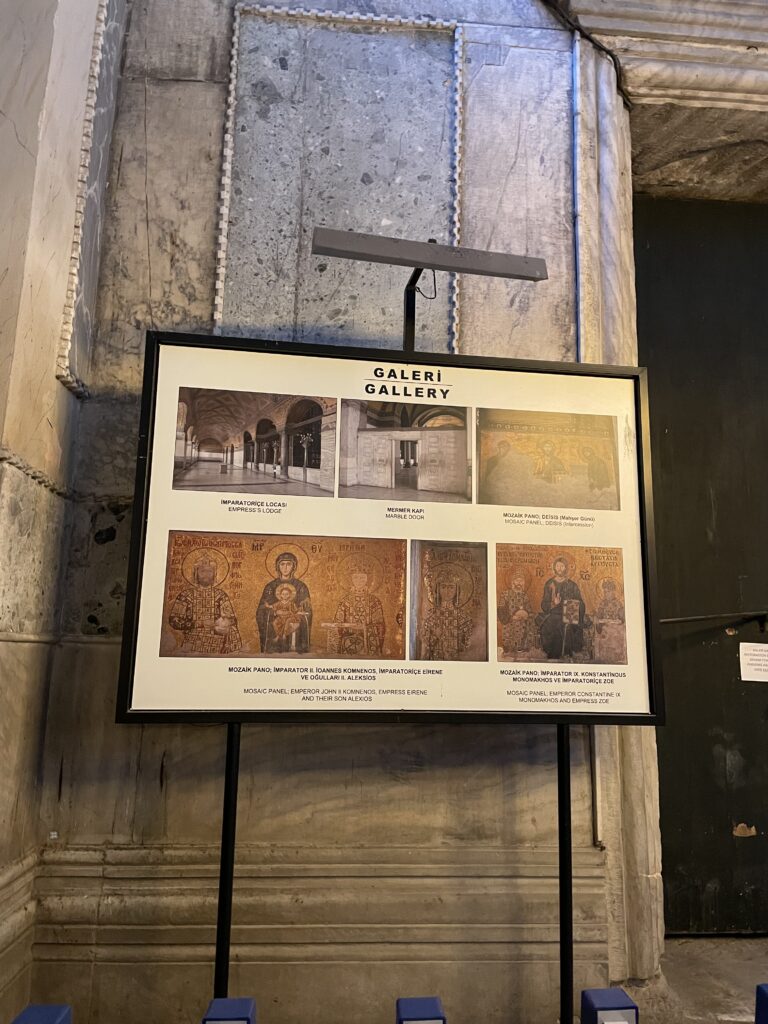
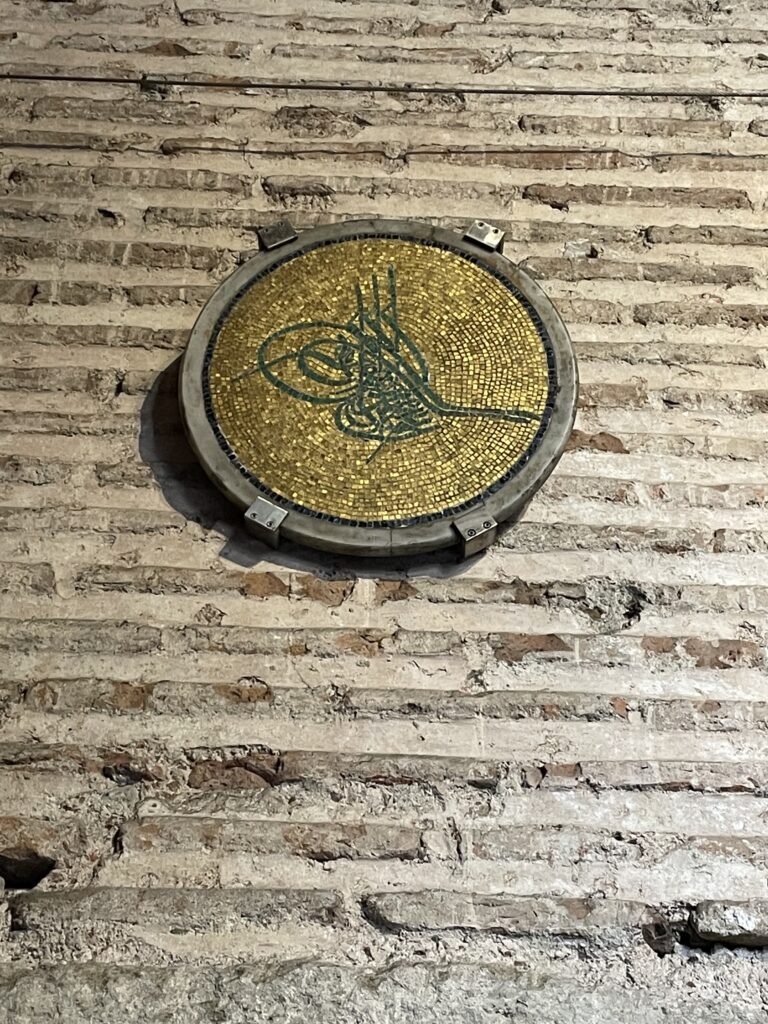
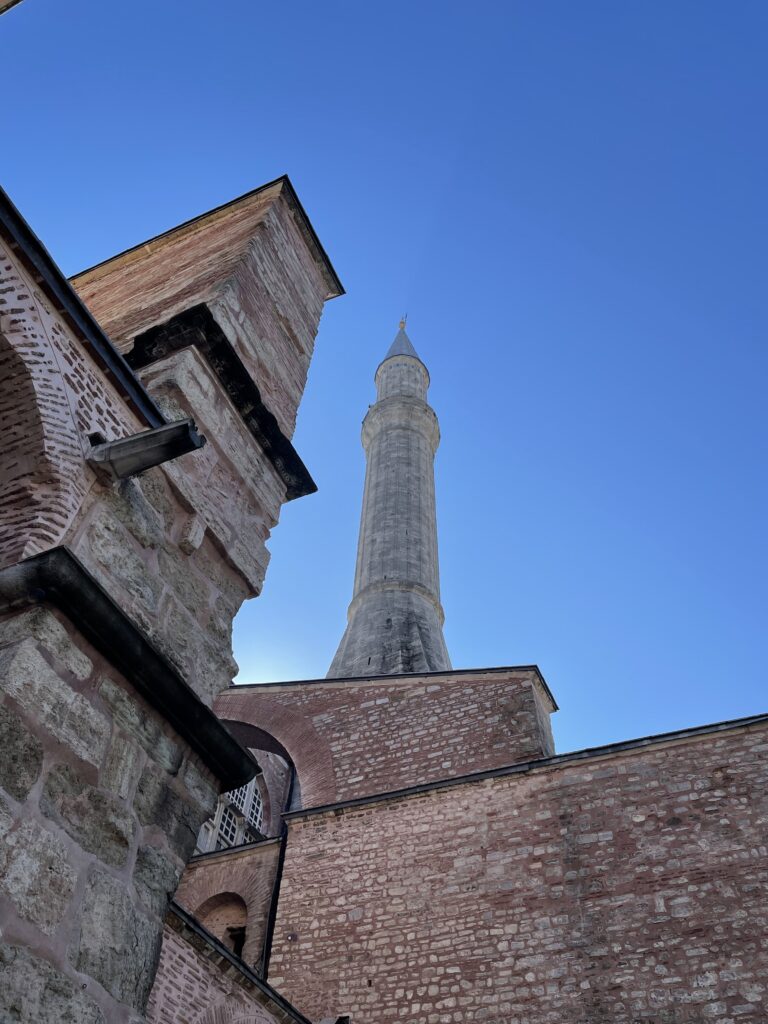
In 1453, the city of Constantinople fell to the Ottoman Empire, led by Sultan Mehmed II, who renamed it Istanbul. Hagia Sophia was converted into a mosque, marking a significant change in its history. The Ottomans added minarets and Islamic features, transforming it into a symbol of Islam and Ottoman power.
In 1935, under the leadership of Mustafa Kemal Atatürk, the founder of modern Turkey, Hagia Sophia was secularized and turned into a museum as part of Turkey’s modernization efforts. The secularization was seen as a symbolic step towards separating religion from the state.
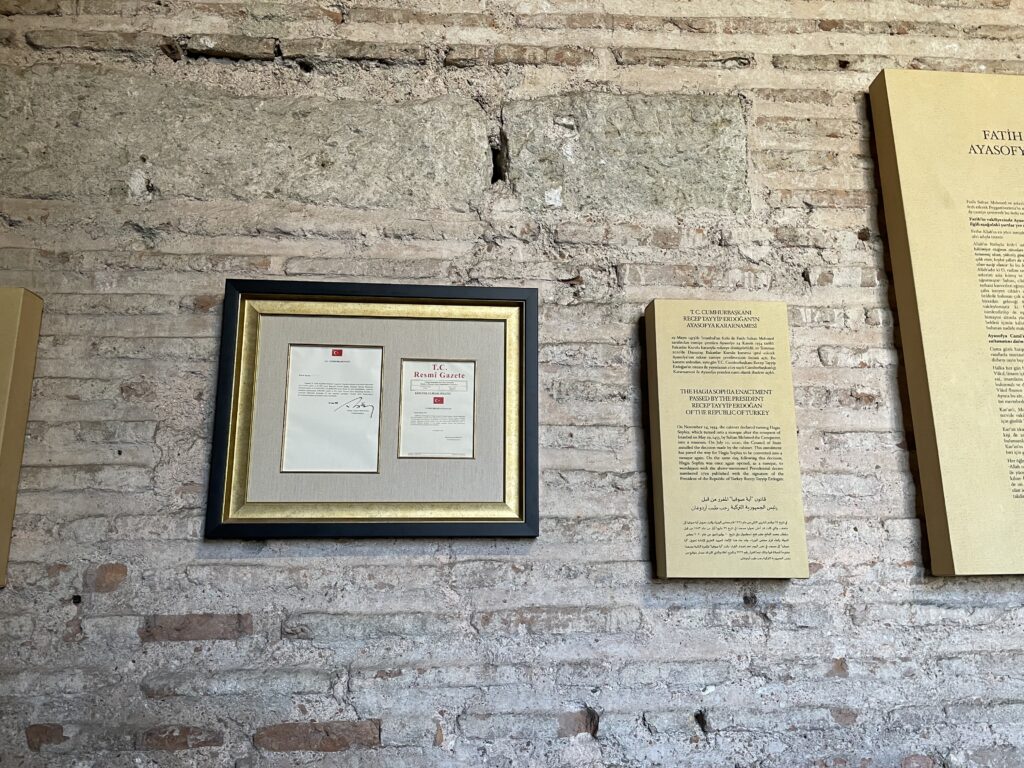
In July 2020, the Turkish government’s decision to revert Hagia Sophia back into a mosque ignited international debate and controversy. This move stirred concerns about the preservation of the site’s historical and cultural significance.
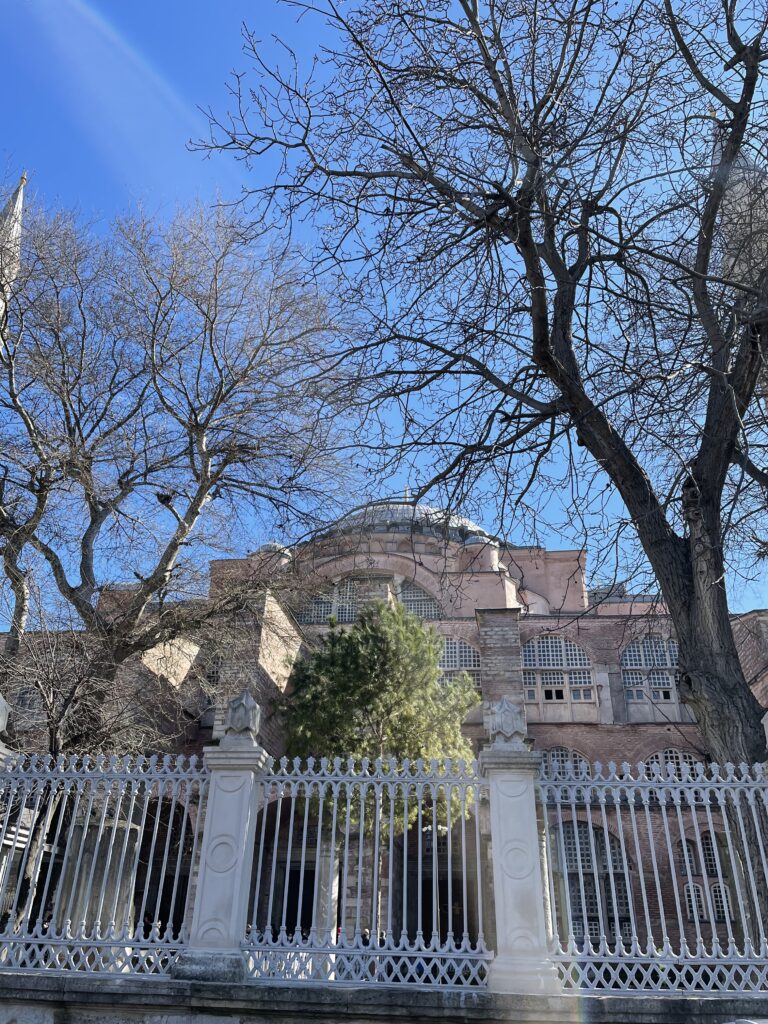
Throughout its history, Hagia Sophia has been recognized as a UNESCO World Heritage Site, a testament to its universal importance as a cultural and historical treasure.
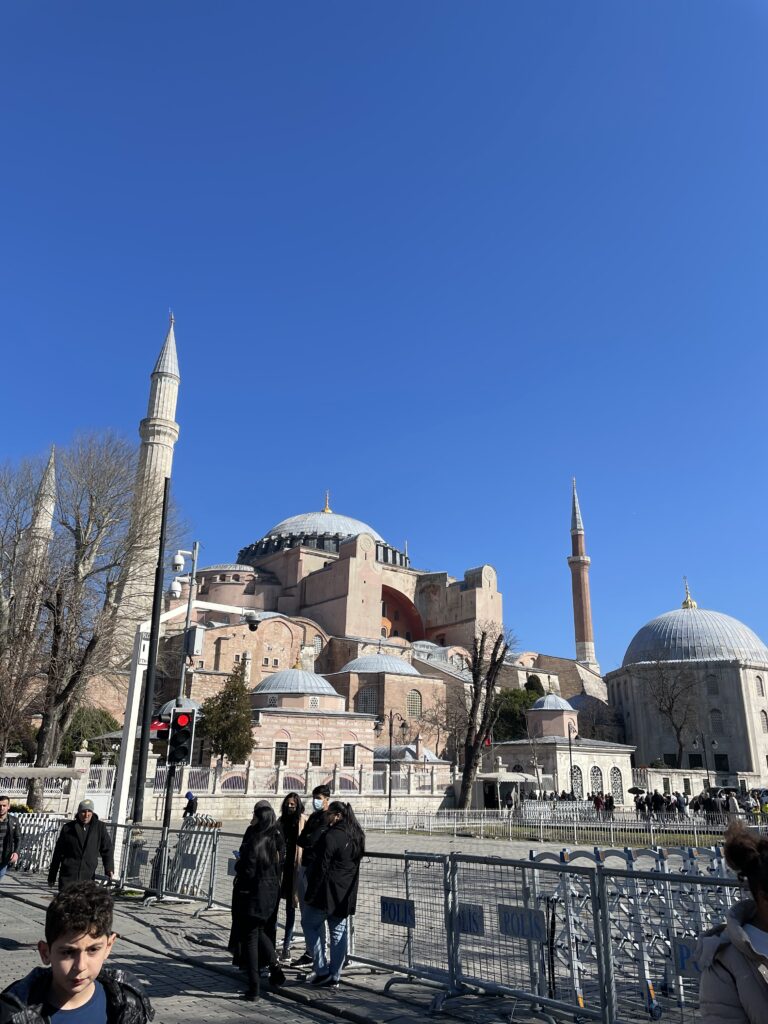
Hagia Sophia’s journey through time reflects the complex interplay of religion, culture, and politics. It has been a witness to the rise and fall of empires, the shift from one faith to another, and the enduring human fascination with architectural beauty.
Today, it remains a symbol of both Turkey’s rich history and its ongoing cultural evolution. Hagia Sophia stands as an enduring icon, a testament to the enduring spirit of human achievement, and a reminder of the importance of preserving our shared heritage.
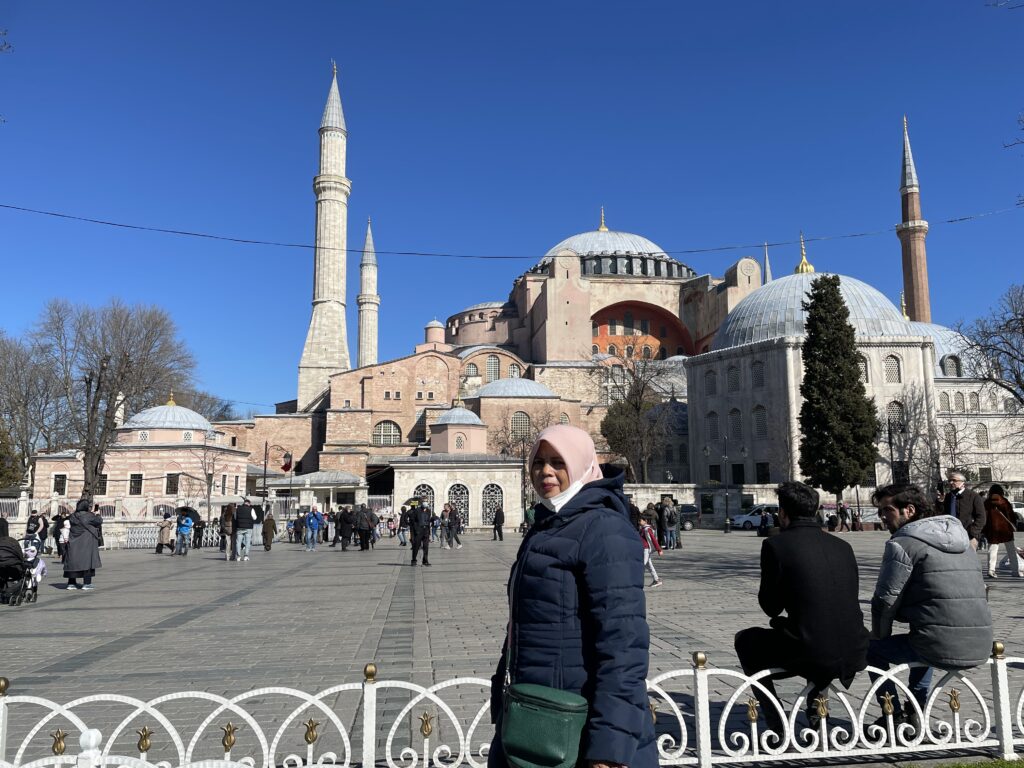
Our first visit to Hagia Sophia was not just a touristic experience; it was a journey through time and a reflection on the interconnectedness of cultures and beliefs. This ancient marvel stands as a testament to the enduring spirit of human ingenuity and a reminder of the importance of preserving our shared history.
If you ever find yourself in Istanbul, Hagia Sophia is a must-visit destination, offering a profound and enriching travel experience that will stay with you long after you’ve left its hallowed halls.
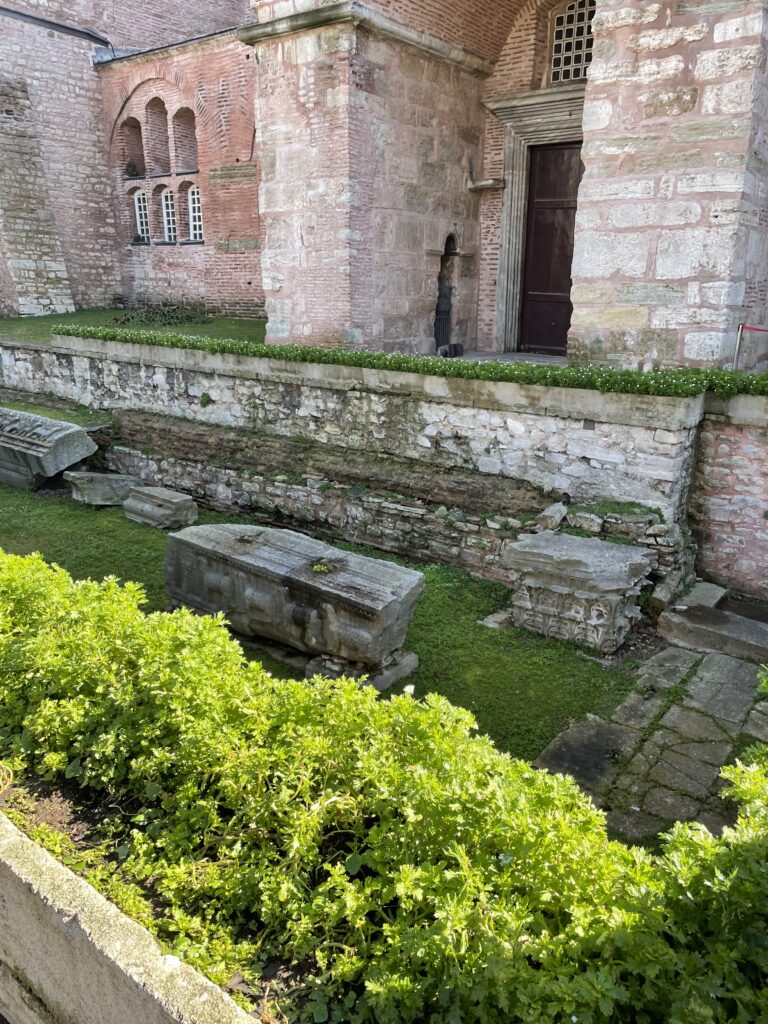
Travel to Infinity!
For a little more virtual travel inspiration, follow us on Instagram @lifefolkorg




hagia Sophia bagus banget, masih jadi wishlist aku, semoga nanti berkesempatan mengunjungi Turki
Dan semua bangunannya estetik, aku sendiri seneng liatnya, apalagi budaya dan kulinernya juga menarik buat dipelajari atau dicoba